Home remodeling has become one of the most effective ways to improve both the functionality and aesthetic appeal of a living space without the need to relocate. Whether the goal is to modernize outdated interiors, increase property value, or simply create a more comfortable environment, home remodeling offers flexible solutions that can be tailored to nearly any budget or design preference. As housing needs evolve, more homeowners are choosing to invest in strategic renovations that enhance everyday living while also serving long-term financial benefits.
At its core, home remodeling is about transformation. It is the process of reimagining existing spaces to better suit current lifestyles, improve energy efficiency, and reflect personal taste. Unlike simple repairs or cosmetic updates, remodeling often involves structural or layout changes that significantly alter how a home functions and feels. This makes planning, budgeting, and professional execution essential for achieving successful results.
Understanding the Purpose of Home Remodeling
Home remodeling serves multiple purposes, depending on the needs and goals of the homeowner. Some individuals focus on improving comfort and usability, while others prioritize increasing resale value or adapting their home to accommodate lifestyle changes such as remote work or growing families.
One of the main motivations behind remodeling is modernization. Older homes often contain outdated layouts, materials, and systems that no longer meet current standards. Remodeling allows homeowners to introduce open-concept designs, updated fixtures, improved lighting, and more efficient storage solutions.
Another important purpose is functionality. As daily routines change, living spaces must adapt accordingly. A kitchen that once worked for a small household may need to be expanded or redesigned to support more cooking activity, while a spare room may be converted into a home office or guest suite.
Finally, home remodeling can significantly increase property value. Well-planned renovations often provide a strong return on investment, especially when they improve essential areas such as kitchens, bathrooms, and living spaces.
Popular Areas of Home Remodeling
Home remodeling projects can range from small updates to full-scale renovations. However, certain areas of the home are more commonly targeted due to their impact on comfort, usability, and value.
Some of the most popular remodeling areas include:
- Kitchen Remodeling
The kitchen is often considered the heart of the home. Remodeling this space may involve upgrading countertops, cabinets, appliances, lighting, and flooring. Many homeowners also choose to reconfigure layouts to improve workflow and create more open space for cooking and social interaction. - Bathroom Remodeling
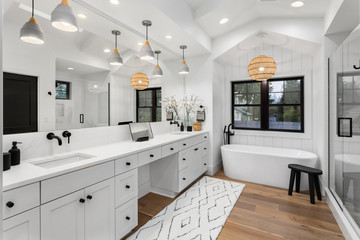
Bathrooms are another high-priority area for renovation. Modern bathroom remodeling often focuses on creating spa-like environments with improved fixtures, better storage, walk-in showers, and energy-efficient water systems. - Living Room Renovation
Living rooms serve as central gathering spaces, making them ideal candidates for redesign. Updates may include new flooring, improved lighting, feature walls, or layout adjustments to enhance comfort and entertainment value. - Basement and Attic Conversion
Unused spaces such as basements and attics can be transformed into functional rooms like home offices, gyms, entertainment areas, or additional bedrooms, maximizing usable square footage. - Exterior Remodeling
Curb appeal plays a major role in a home’s overall value. Exterior remodeling may include siding updates, roofing improvements, landscaping changes, and upgraded entryways.
Each of these areas contributes differently to the overall improvement of a home, and many homeowners choose to combine multiple projects for a more comprehensive transformation.
Planning a Successful Home Remodeling Project
Proper planning is one of the most important factors in ensuring a successful remodeling project. Without a clear plan, costs can escalate, timelines can extend, and results may not meet expectations.
A well-structured remodeling plan typically includes:
- Defining goals and priorities
- Establishing a realistic budget
- Selecting materials and design styles
- Hiring qualified professionals
- Creating a timeline for completion
Each step plays a critical role in guiding the project from concept to completion. For example, defining goals helps determine whether the focus is on aesthetics, functionality, or property value. Budget planning ensures that financial resources are allocated effectively, while material selection influences durability, appearance, and long-term maintenance.
Working with experienced professionals is often essential, especially for projects involving structural changes, plumbing, or electrical systems. Skilled contractors can help prevent costly mistakes and ensure compliance with safety standards.
Benefits of Home Remodeling
Home remodeling offers a wide range of benefits that extend beyond visual improvements. One of the most significant advantages is enhanced comfort. A well-designed home better supports daily activities, reduces clutter, and creates a more enjoyable living environment.
Energy efficiency is another important benefit. Modern remodeling projects often include updated insulation, energy-efficient windows, and improved appliances that reduce utility costs over time. These upgrades not only lower monthly expenses but also contribute to a more environmentally friendly household.
In addition, remodeling can improve safety. Older homes may contain outdated wiring, unstable structures, or inefficient ventilation systems. Renovations allow homeowners to address these issues and bring their property up to modern safety standards.
Another key advantage is customization. Home remodeling gives homeowners the opportunity to design spaces that reflect their personal style and meet their specific needs. This level of personalization is difficult to achieve with pre-built homes.
Common Challenges in Home Remodeling
While home remodeling offers many benefits, it also comes with challenges that require careful management. One of the most common issues is budget overruns. Unexpected repairs, material price changes, or design adjustments can increase overall costs if not properly controlled.
Delays are another frequent challenge. Weather conditions, material availability, and scheduling conflicts can all affect project timelines. Effective communication with contractors and realistic planning can help reduce these risks.
Some common challenges include:
- Managing unexpected structural issues
- Coordinating multiple contractors
- Staying within budget constraints
- Dealing with construction disruptions in daily life
- Making design decisions under pressure
Despite these challenges, proper preparation and professional guidance can significantly improve the remodeling experience.
Design Trends in Modern Home Remodeling
Modern home remodeling trends focus on simplicity, functionality, and sustainability. Open floor plans remain popular because they create a sense of space and improve natural light flow throughout the home. Neutral color palettes combined with natural materials such as wood and stone are also widely used to create a timeless aesthetic.
Smart home technology is increasingly being integrated into remodeling projects. Automated lighting, climate control systems, and security features enhance convenience and efficiency while adding value to the home.
Sustainability is another growing trend. Homeowners are choosing eco-friendly materials, energy-efficient appliances, and water-saving fixtures to reduce environmental impact while lowering long-term costs.
Multi-functional spaces are also in demand. With more people working from home, rooms are being designed to serve multiple purposes, such as combining office areas with guest rooms or living spaces with entertainment zones.
The Long-Term Value of Home Remodeling
Home remodeling is more than a short-term improvement; it is an investment in long-term comfort, functionality, and financial value. Well-executed renovations can significantly increase property appeal, making homes more attractive to future buyers while enhancing daily living for current occupants.
The key to successful remodeling lies in thoughtful planning, realistic budgeting, and quality execution. When done correctly, remodeling transforms outdated or inefficient spaces into modern, functional environments that better support everyday life.
Ultimately, home remodeling empowers homeowners to take control of their living environment. It allows them to adapt their space to changing needs, improve energy efficiency, and create a home that reflects their personal vision. In a world where lifestyle demands continue to evolve, remodeling remains one of the most practical and rewarding ways to enhance a property’s overall value and livability.